
At Evershade Blinds, we offer a wide selection of window treatments, including shades, shutters, and blinds. We have extensive experience in this business, and you can count on us to help you choose the right option for your needs. In this article, we will focus on our faux and real wood blinds, going over a few key differences between them to help you make the best choice for your unique property.
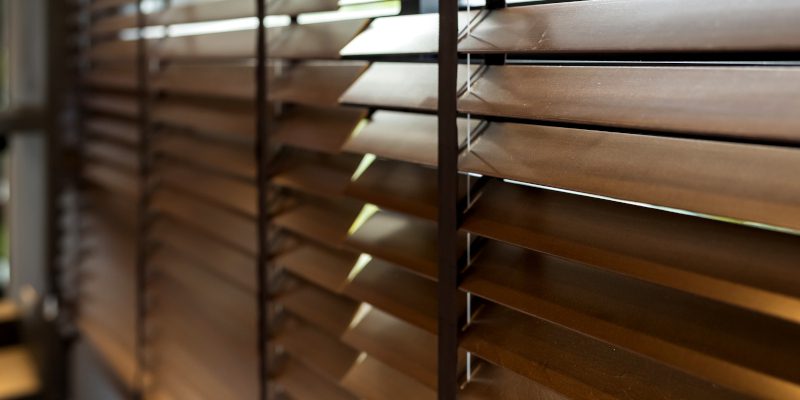
- Price – Although faux and real wood blinds look quite similar, they can differ significantly in price. Real wood blinds tend to be more expensive than faux wood options, so if price is your main concern, then the composite material is likely the right choice for you.
- Temperature Regulation – Another difference between faux and real wood blinds is their insulating power. Genuine wood is a natural insulator, so real wood blinds can help regulate the temperature in your space more effectively than faux wood blinds can.
- Moisture Resistance – A third difference between faux and real wood blinds lies in how they react to moisture. Faux wood is better than real wood at resisting changes in humidity and is therefore less likely to warp.
- Appearance – Faux wood blinds are designed to mimic the look of real wood blinds as closely as possible, but many homeowners prefer the look and feel of genuine wood. Real wood has a natural warmth to its appearance that many people find well worth the extra cost. If aesthetic appeal is a major concern for you, then we recommend using real wood blinds.